Stylized Pastel Daisy Embroidery Design
A Designer’s First Look: Sweet, Soft, and Surprisingly Versatile
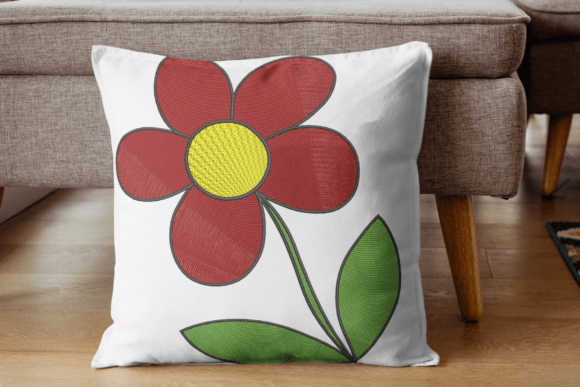
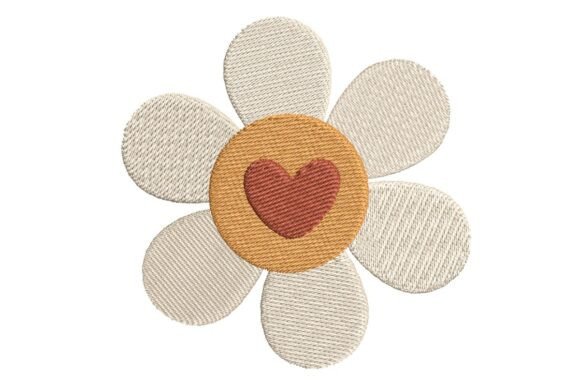
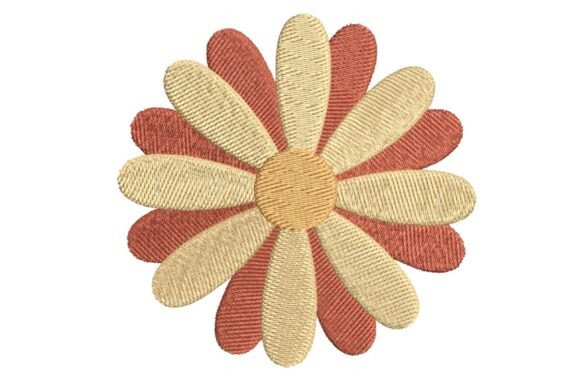
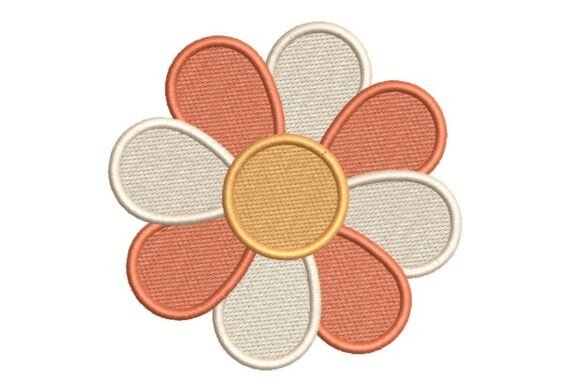
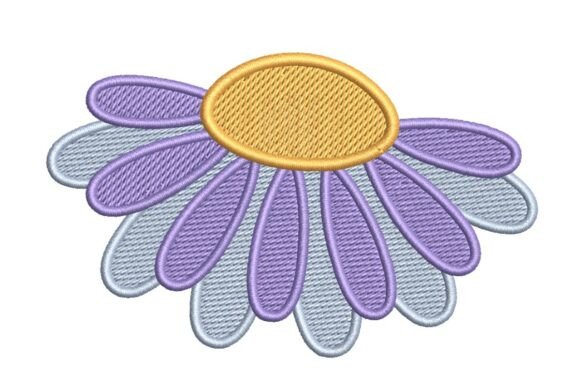
As an embroidery designer who’s tested hundreds of floral motifs for personalized gift shops, I’ll say it straight: the Stylized Pastel Daisy Flower Embroidery Design lands with quiet confidence. It’s not loud or overly intricate — but it’s deeply intentional. The daisy is tilted just so, giving movement and dimension, while layered petals create gentle visual rhythm. Light purple and very light blue (or white) thread colors alternate with subtle texture, lending a hand-painted softness rather than flat digital precision. This isn’t a botanical illustration — it’s a feeling. Sweet without saccharine, elegant without formality, modern without coldness. It reads as handmade, thoughtful, and tender — perfect for customers seeking emotional resonance over flash.
Where This Design Truly Shines in Personalized Gifting
The Stylized Pastel Daisy Flower Embroidery Design excels where sentiment meets simplicity. For baby embroidery, it nestles beautifully on organic cotton swaddles, muslin blankets, and knit nursery pillows — its gentle palette harmonizes with gender-neutral palettes and minimalist nurseries. As a wedding gift, it elevates linen napkins, monogrammed towel sets, or keepsake handkerchiefs; the angled composition adds quiet sophistication to heirloom pieces. On kitchen towels or aprons, it brings warmth without clutter — ideal for small shop products that balance charm and utility. Etsy sellers will find it especially effective for custom tote bags and pillow covers aimed at moms, teachers, and wellness-focused buyers. And because it belongs to the Single Flowers category, it pairs effortlessly with names, dates, or short phrases — think “Ella • 2024” beneath the bloom, or “Our First Spring” stitched beside it. It’s also a natural fit for craft fair displays: clean, photogenic, and instantly legible at booth distance.
Smart Pairings for Real-World Use
- Baby items: Works best on stable, medium-weight fabrics like interlock knit or brushed cotton — avoid ultra-stretchy ones unless stabilized heavily.
- Wedding & keepsakes: Linen, cotton-linen blends, and fine quilting cotton hold the texture beautifully; pair with matte thread for tactile luxury.
- Embroidered towel: Use on terry cloth with cutaway stabilizer and reduced stitch density to prevent bulk and puckering.
- Pillow cover & blanket embroidery: Ideal for front-center placement on solid-color fabrics — lets the design breathe and invites touch.
- Custom order previews: Include a printable mockup showing the design on three fabric tones (light, medium, dark) to set accurate expectations.
Where to Proceed with Thoughtful Attention
This design charms most when used intentionally — not everywhere. Avoid placing it on curved surfaces like mugs or rounded tote handles, where distortion risks flattening its delicate angle. On dark fabric, confirm thread contrast: very light blue may fade visually unless paired with a bright white underlay or slightly higher stitch density. Thick, napped towels require extra stabilization and possibly simplified fill areas — test first. Small lettering *within* the design? Not recommended — this is a standalone floral motif, not a multi-element layout. Also, skip stretchy baby clothes (like bodysuits) unless you’re using tear-away + topping combo and reducing tension — the petal layers demand stability. And remember: while the pastel palette feels fresh, it’s less suited for high-contrast branding or bold retail environments unless deliberately softened in context.
Why It Builds Trust — and Turns Browsers into Buyers
For Etsy sellers and small shop owners, the Stylized Pastel Daisy Flower Embroidery Design quietly signals quality. Its balanced proportions, thoughtful color alternation, and intentional negative space tell customers, “This wasn’t rushed.” That perception lifts perceived value — a $38 embroidered pillow cover feels like a curated object, not mass-produced decor. In product photography, it performs exceptionally well: soft shadows catch the petal layers, and pastels render cleanly on white or oat backgrounds. Customers linger longer. They imagine gifting it — to a new mom, a bride, a friend recovering from illness — because the design carries calm, care, and quiet celebration. That emotional connection translates directly to buyer engagement: more saves, more shares, more repeat visits. It also reinforces handmade credibility — no stock vector vibes here. Just honest, considered machine embroidery design crafted for real people giving real love.
Practical Notes Every Embroiderer Should Run Before Stitching
- Always test the embroidery file on scrap fabric matching your final product’s weight and texture.
- Compare thread colors across lighting — light purple can shift lavender or lilac depending on monitor and bulb.
- Confirm hoop size compatibility — this design likely fits standard 4x4 or 5x7 hoops, but verify before digitizing adjustments.
- Review stitch density — too dense on lightweight fabric = stiffness; too sparse on terry = poor coverage.
- Use appropriate stabilizer: cutaway for knits and towels, tear-away for stable wovens, topping for napped surfaces.
- Check both light and dark fabric mockups — contrast changes everything, especially with very light blue.
- Inspect small details post-stitch: are petal edges crisp? Does the angle read clearly? Trim stray threads gently.
- Before selling finished products, confirm commercial licensing terms — this is essential for digital embroidery file users and commercial embroidery studios.
Final Thought: A Quiet Workhorse for Meaningful Makes
The Stylized Pastel Daisy Flower Embroidery Design won’t shout from a shelf — but it will be chosen, cherished, and gifted again. It’s proof that restraint, softness, and smart structure make powerful personalized gifts. Whether you’re stitching baby embroidery for a local boutique, building an Etsy collection around seasonal florals, or designing wedding keepsakes with soul, this single flower carries more than petals — it carries intention. And in handmade markets, that’s the detail that truly stitches everything together.